Interview with Carol
A Name After Sixty Years
I have been blessed with a happy life. That is the first thing I want people to know, especially those living with rare diseases. My story is not only about illness. It is about hope.
I grew up in the Northeast Kingdom of Vermont, the youngest of six children. From early on, I knew I was different. At nine months old, I was hospitalized with a high fever no one could explain. As I grew older, those fevers returned, along with abdominal pain, rashes, vomiting, and muscle aches. I missed school often, but I was determined to keep up. When I felt well, I lived fully—I rode my bike, swam, went to camp, and had sleepovers like any other child.
I was fortunate. I had a supportive family and a caring community. My parents chose to focus on what I could do, not what I couldn’t. I believe that gave me a kind of inner strength early on, along with a deep empathy for others. Still, the hardest part of my journey was not the illness itself, it was not knowing.
For decades, I went through tests, hospital visits, and appointments. I was sent to specialists, endured procedures, and searched for answers that never came. I was, in many ways, a mystery. And I learned something through that experience: not knowing is harder than knowing. I lived this way for over sixty years.
At age 64, everything changed. A physician in Maine told me I needed “a new set of eyes” and personally connected me to a specialist at the Mayo Clinic in Arizona. There, after a lifetime of searching, I received a diagnosis: TRAPS, Tumor Necrosis Factor Receptor-Associated Periodic Syndrome, a rare genetic autoinflammatory disorder.
When I got the results, I cried. It wasn’t fear, it was relief. Validation. After all those years, I finally had an answer. My symptoms were real. My experience had a name. But even before that diagnosis, I had made a choice. In the 1980s, after my mother passed away, I had a realization: life is short. I decided then that I would take ownership of my life, not wait for perfect circumstances, not wait for answers, but live fully with what I had. That decision shaped everything.
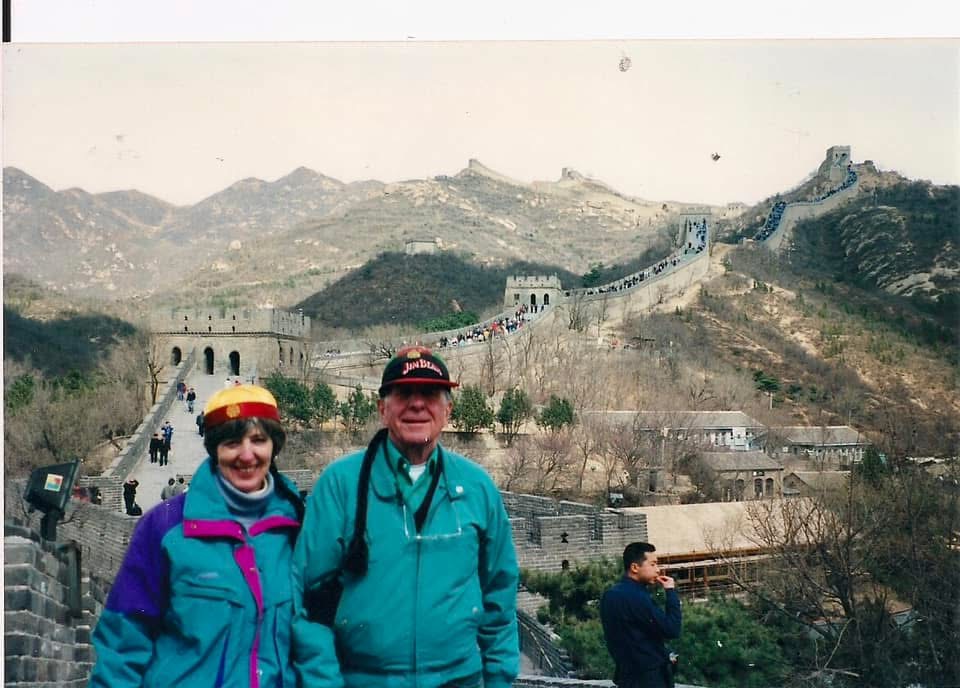
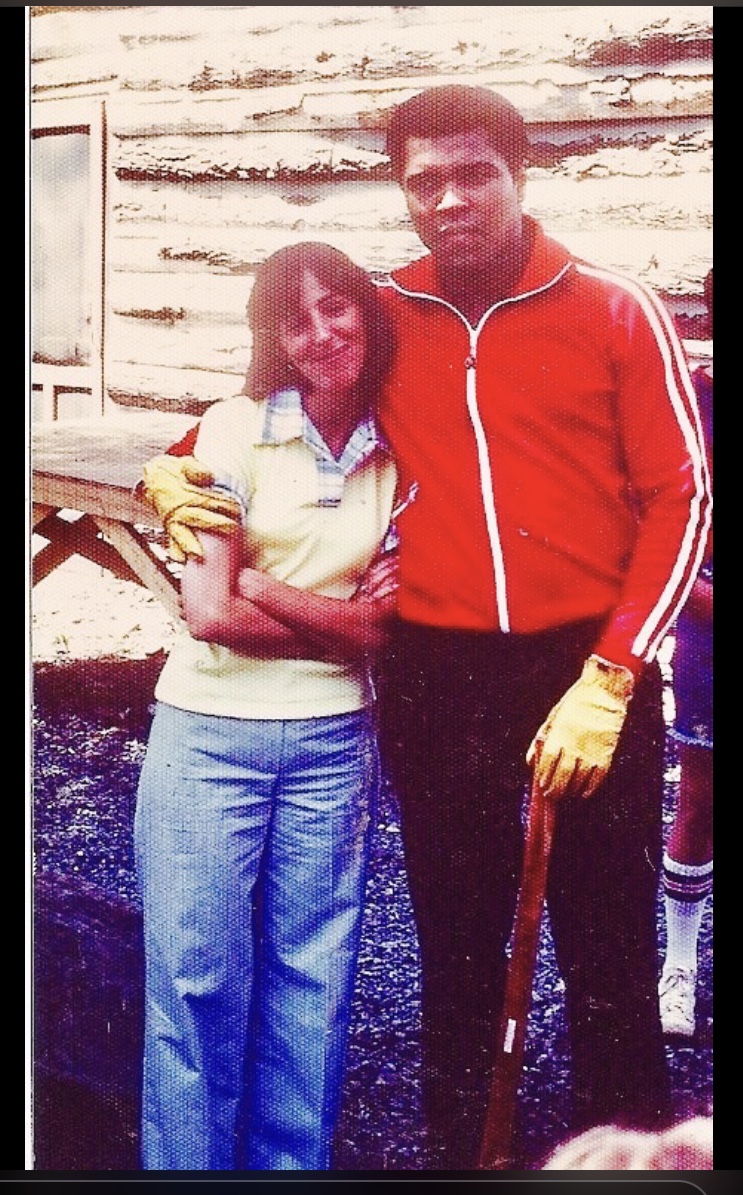
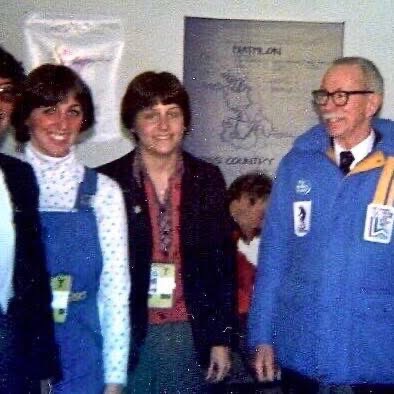
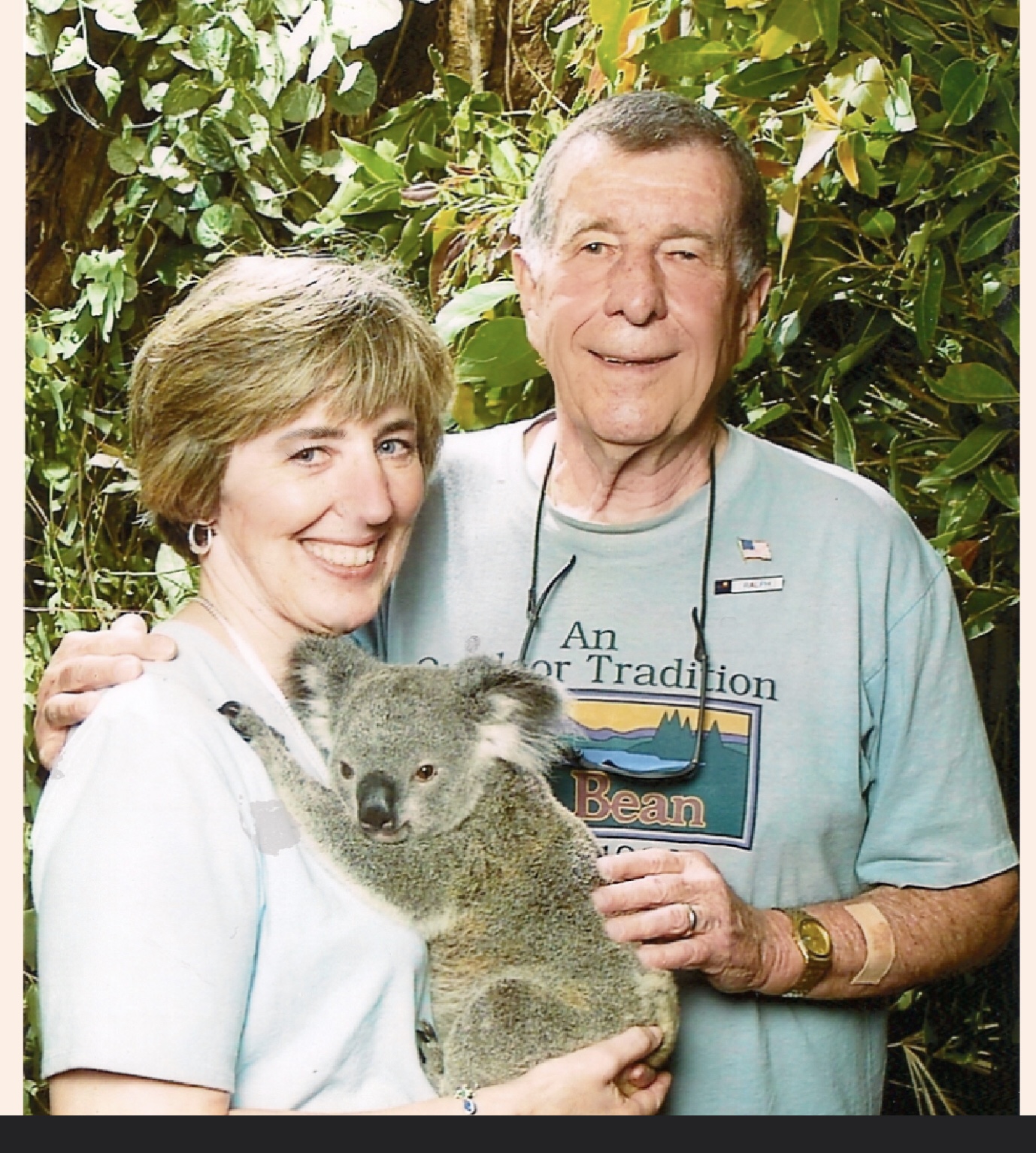
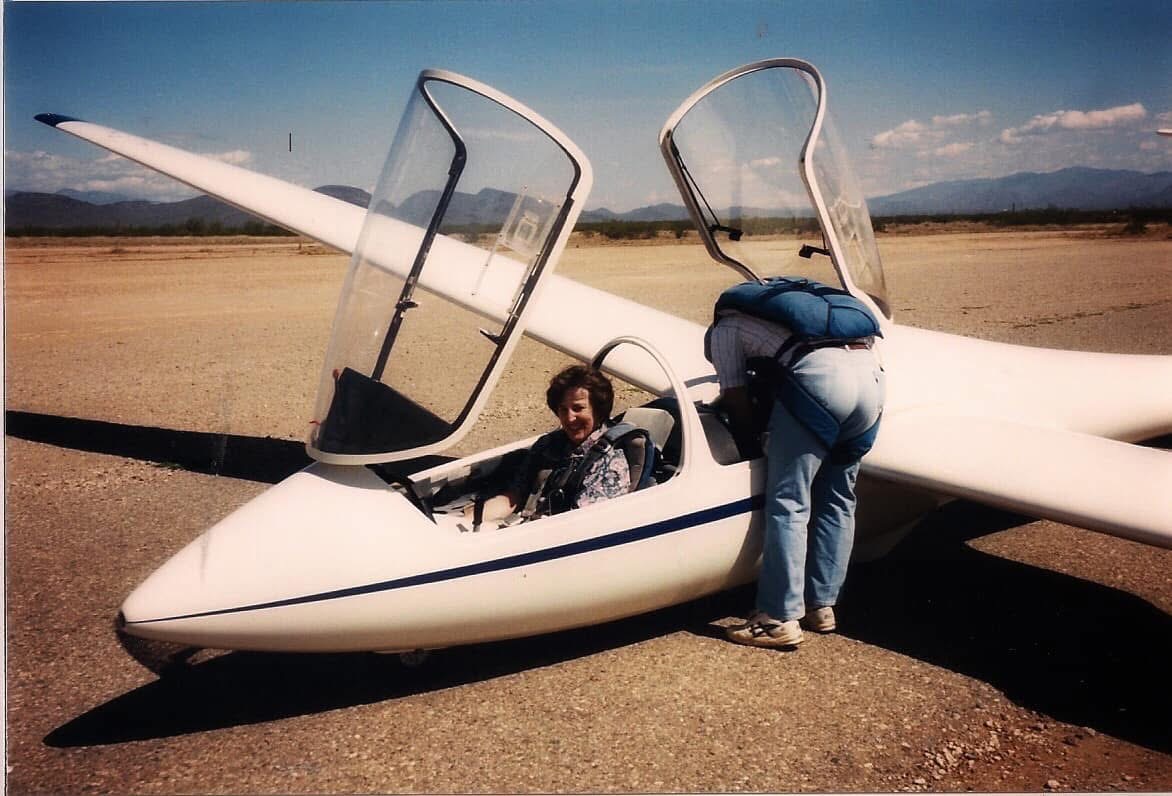
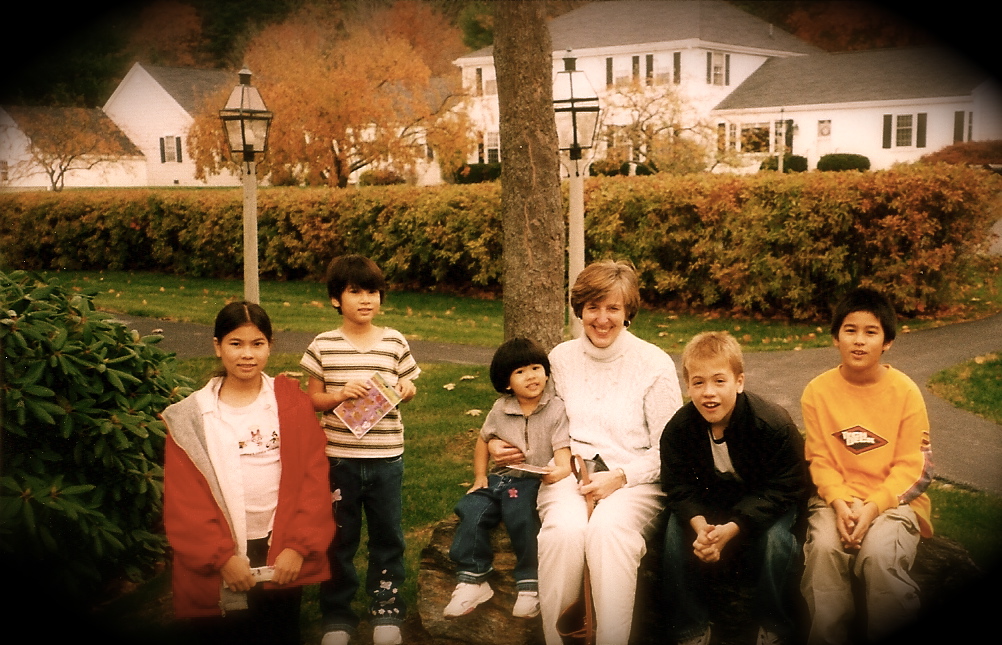
I married my husband in 1975 and gained a wonderful family, including two stepdaughters. Over time, our family grew to include grandchildren, each one a joy. I worked part-time when I could, contributed where I was able, and embraced opportunities as they came. I have lived a full life, traveling across the world, walking the Great Wall of China, cruising the Panama Canal, holding a koala in Australia, and attending a family wedding in New Zealand. I even worked at the 1980 Winter Olympics and had the chance to meet Muhammad Ali. These moments were not despite my illness, they were part of how I chose to live alongside it. One of the most meaningful experiences in my life came through volunteering with refugee families in Portland, Maine. I worked closely with a mother from Vietnam raising four children on her own while working a physically demanding job. I never heard her complain.
Her strength changed me. It gave me perspective. It reminded me that while my struggle was real, it was not the only kind of struggle in the world. That realization deepened my gratitude and reshaped how I saw my own life. Today, even as I face new health challenges, I hold onto the same belief that has guided me for decades: My illness does not define my happiness. I have learned to focus on what I can control, my mindset, my choices, my relationships. I have learned to ask for support, to listen to my body, and to advocate for myself in my care. There is a silver lining in every cloud. Not because life is easy, but because we can choose how we meet it.
If there is one message I hope others take from my story, it is this:
Find gratitude where you can.
Hold onto joy.
And live your life fully, no matter what.
For sixty years
I lived without a name.
My body spoke
in fevers and pain,
in symptoms that arrived
without explanation,
and left without answers.
I was a question
no one could solve.
And still,
I lived.
I loved.
I built a family.
I traveled the world
with a body
that did not always cooperate,
but never stopped me.
I decided:
Life is short.
And I would not wait
for permission to live it.
Then one day,
a word.
TRAPS.
And I cried.
Not because I was afraid,
but because I was seen.
Because after a lifetime of wondering
if it was real,
someone finally said:
Yes.
And that changed everything.
Not the illness.
Not the pain.
But the knowing.
And I have learned this:
You do not need a perfect life
to live a full one.
You only need the courage
to claim it as your own.
Photos from Carol!